
Cellular Repair & Anti-Aging · UK Research Guide

Peptides for cellular repair and anti-aging.

Longevity science has shifted focus to upstream cellular mechanisms: NAD+ depletion, mitochondrial dysfunction, impaired DNA repair, and declining regenerative signalling. This guide covers the key compounds, their mechanisms, and the current evidence.

For educational purposes only. Always consult a GMC-registered clinician before considering any peptide therapy.

The Basics

What are cellular repair & anti-aging peptides?

Compounds that target the upstream mechanisms governing how cells maintain themselves, produce energy, and respond to damage.

Longevity & cellular repair science

Cellular repair peptides target the mechanisms that govern how cells maintain themselves, produce energy, and respond to damage. As these processes decline with age, they drive the hallmarks of biological ageing: mitochondrial dysfunction, genomic instability, impaired proteostasis, and chronic inflammation.

The compounds covered in this category are GHK-Cu, NAD+, MOTS-C, AICAR, and the KLIKGLOW triple stack.

Each operates on a distinct cellular pathway — from gene-level expression resetting to mitochondrial biogenesis and NAD+ restoration. The sections below break down each compound, how it acts on the body, and exactly what the research shows.

The Compounds

Featured cellular repair
& longevity compounds.

Five research compounds, each targeting a different hallmark of biological ageing — from gene regulation to mitochondrial energy production.

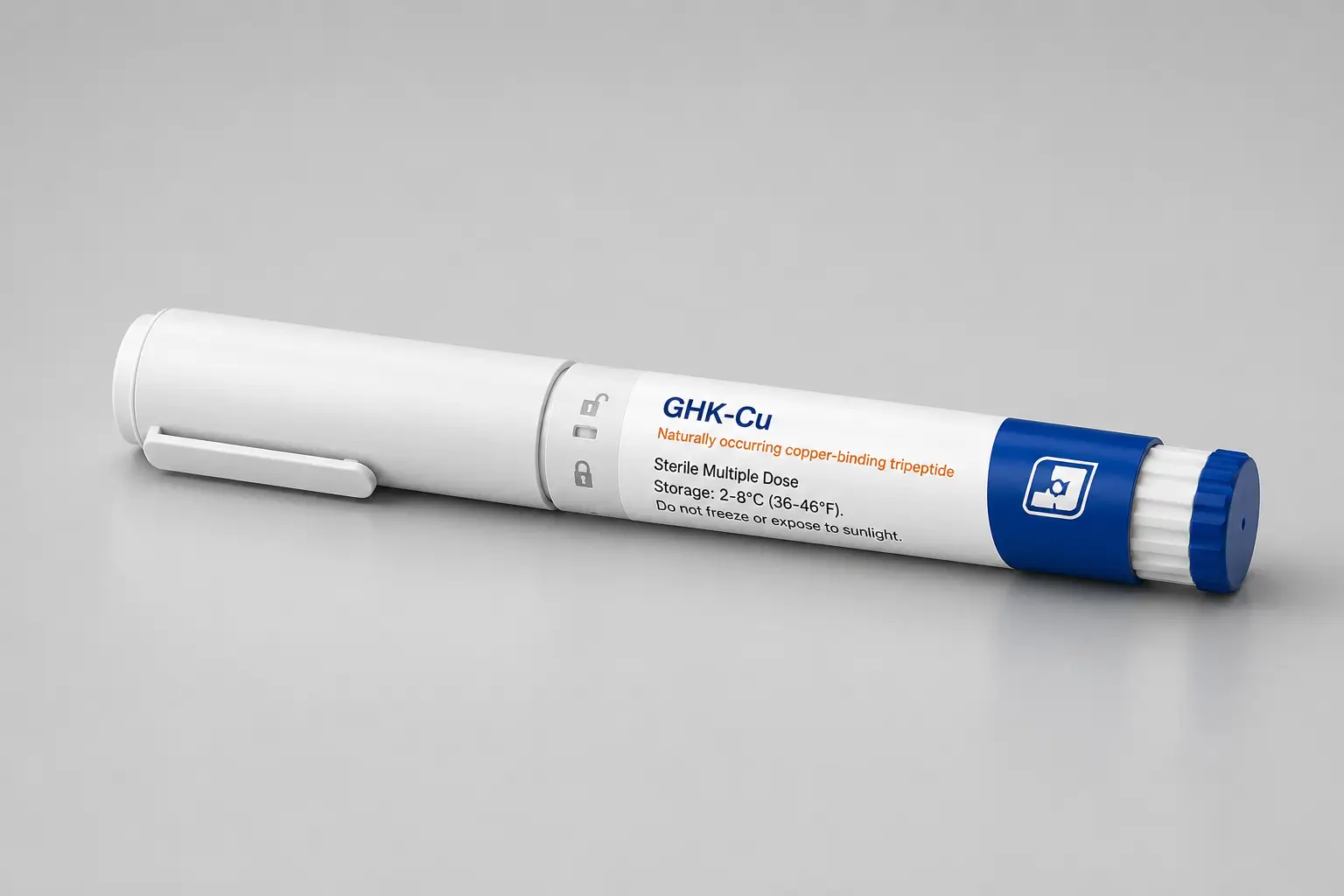
GHK-Cu

Naturally occurring copper-binding tripeptide

Found in human plasma, saliva, and urine — concentrations decline with age, correlating with reduced wound healing and collagen synthesis. It modulates over 4,000 human genes, stimulates collagen, and exerts antioxidant and anti-inflammatory effects.

Mechanism
Gene regulation, collagen synthesis
Longevity focus
Skin elasticity, tissue regeneration, systemic gene reset
Evidence
Limited human (dermatology) + animal models
Read More

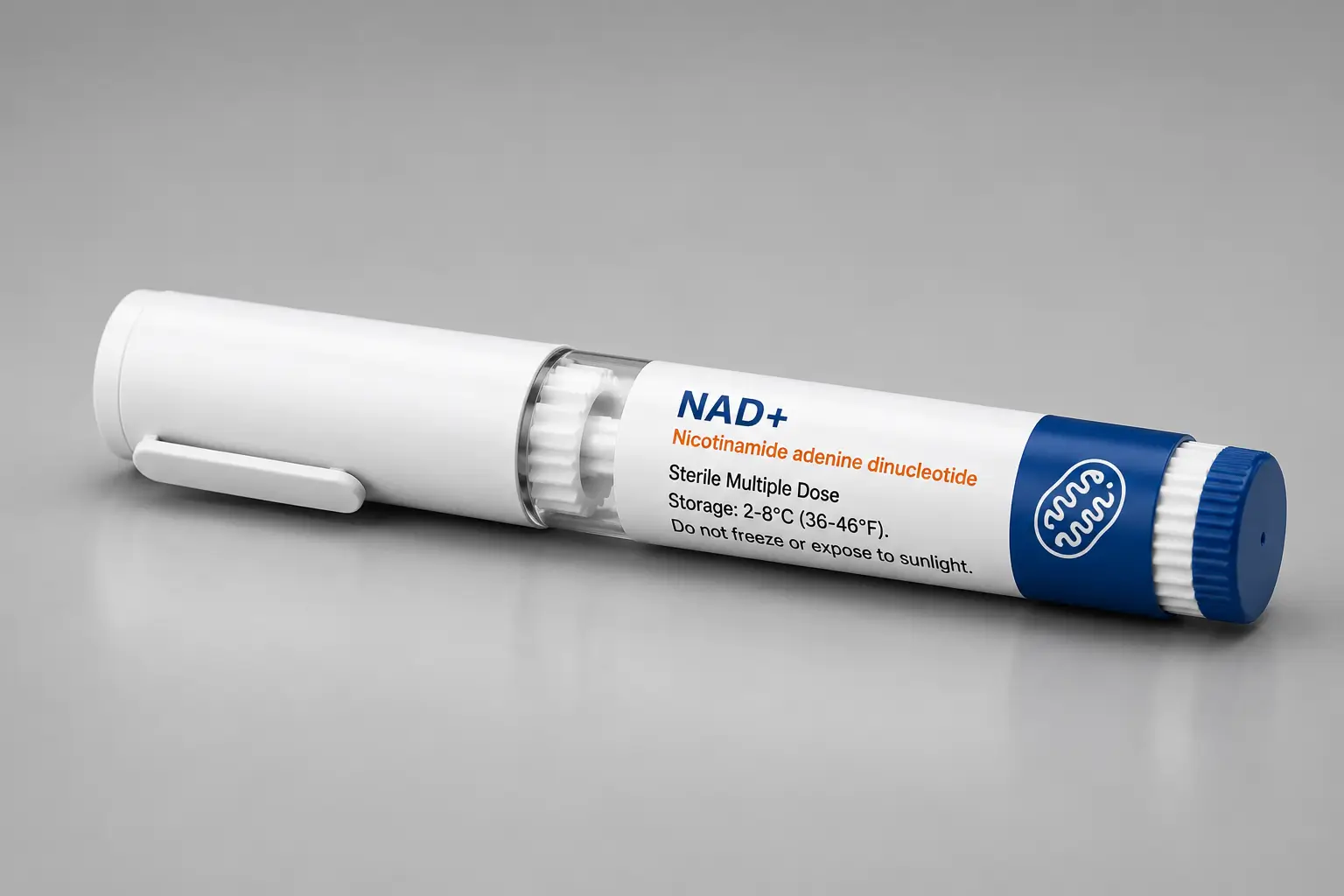
NAD+

Nicotinamide adenine dinucleotide

A coenzyme central to mitochondrial energy production and sirtuin activation. Levels decline by ~50% between early adulthood and midlife, impairing DNA repair, mitochondrial function, and inflammation control. Direct supplementation delivers it in active form.

Mechanism
Mitochondrial energy, DNA repair
Longevity focus
Metabolic, neurological, cardiovascular, biological age
Evidence
Early-stage human trials
Read More

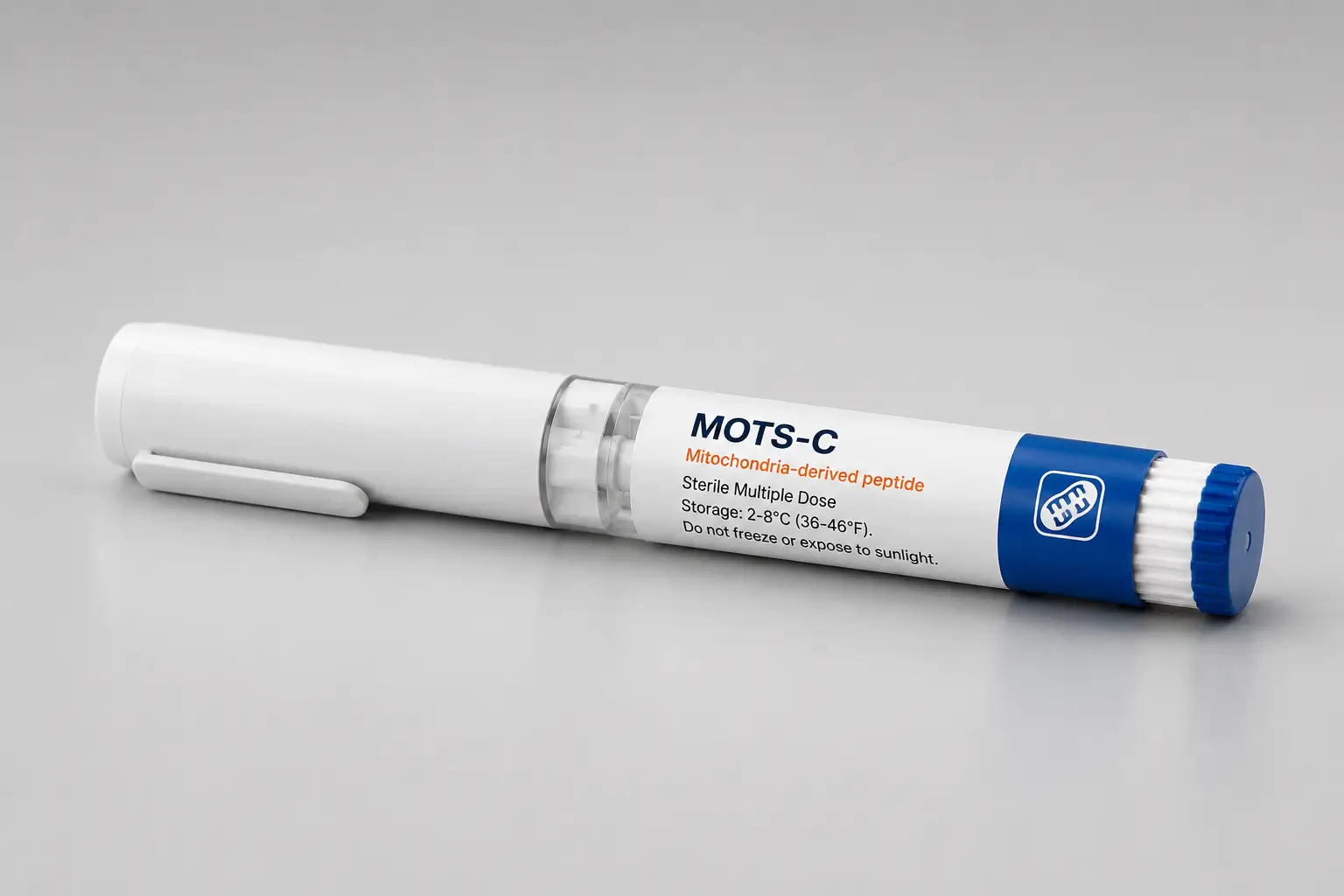
MOTS-C

Mitochondria-derived peptide

Encoded by mitochondrial DNA — unique in this category. It travels from mitochondria to the nucleus, activating AMPK signalling and upregulating glucose uptake, fatty acid oxidation, and mitochondrial biogenesis. Serum levels decline with age.

Mechanism
AMPK activation, mitochondrial biogenesis
Longevity focus
Metabolic restoration, physical performance, lifespan
Evidence
Early observational + animal lifespan studies
Read More

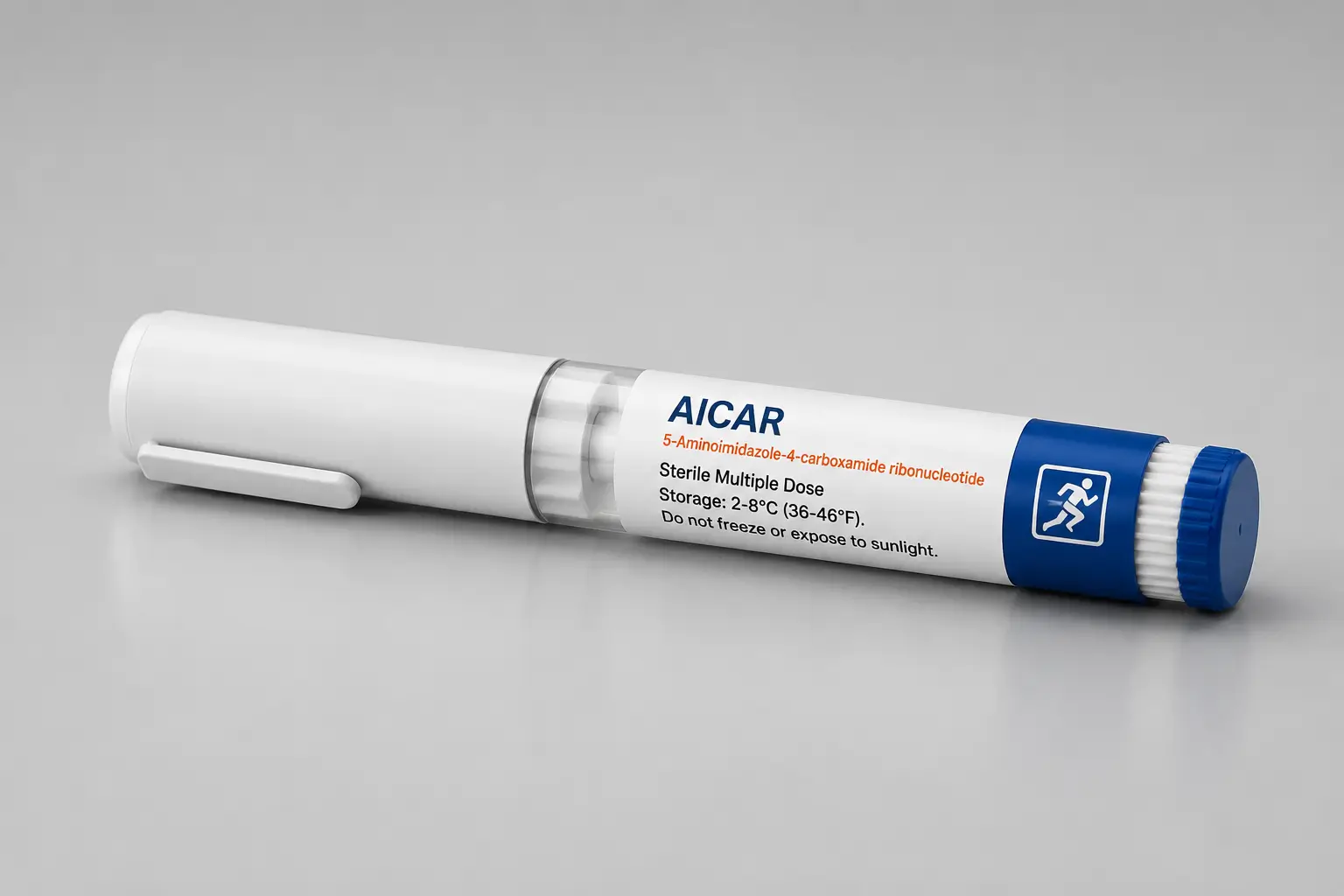
AICAR

5-Aminoimidazole-4-carboxamide ribonucleotide

A naturally occurring intermediate in purine biosynthesis that directly activates AMPK signalling — triggering glucose uptake, fatty acid oxidation, mitochondrial biogenesis, and inhibition of inflammatory pathways. Often described as an exercise mimetic.

Mechanism
AMPK activation, exercise mimetic
Longevity focus
Restoring AMPK activity, autophagy, metabolism
Evidence
Metabolic disease data + preclinical
Read More

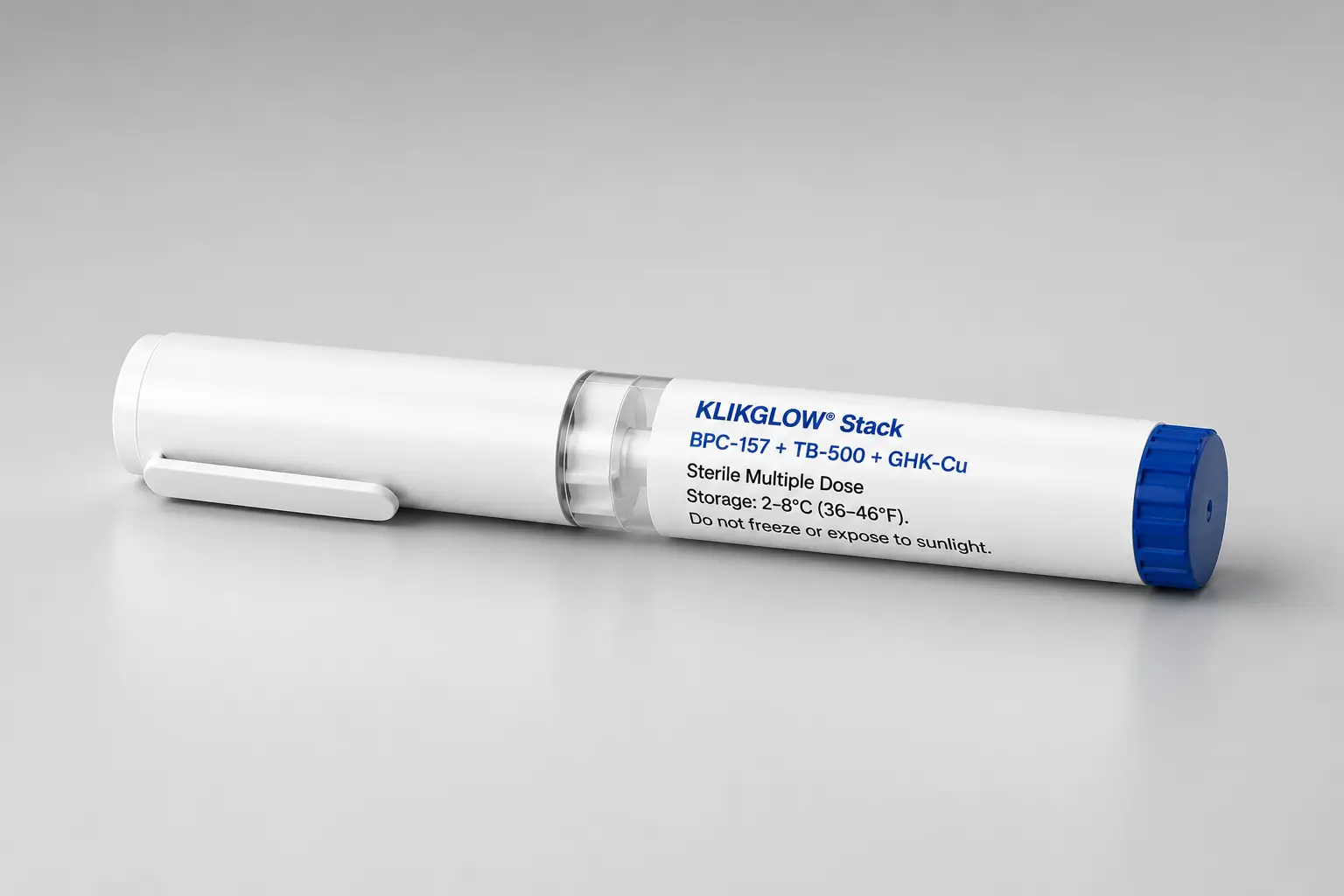
KLIKGLOW Stack

BPC-157 + TB-500 + GHK-Cu

Combines three compounds whose mechanisms converge on tissue regeneration, systemic repair, and cellular rejuvenation. BPC-157 provides localised repair and angiogenesis; TB-500 delivers systemic repair via cell migration; GHK-Cu contributes collagen synthesis and gene-regulatory activity. Each operates through a largely non-overlapping pathway.

Mechanism
Tissue repair + gene regulation
Longevity focus
Physical recovery + broad cellular anti-aging
Evidence
Based on each compound's individual data
Read More
Side By Side

The five compounds,
compared.

Primary mechanism, evidence stage, regulatory and anti-doping status — at a glance.
Compound GHK-CuKLIK-GHK NAD+KLIKNAD+ MOTS-CKLIKMOTS-C AICARKLIK CAR KLIKGLOW StackTriple
Primary mechanism Gene regulation, collagen synthesis Mitochondrial energy, DNA repair AMPK activation, mitochondrial biogenesis AMPK activation, exercise mimetic Tissue repair + gene regulation
Human trials Limited (dermatology) Early stage Early observational Metabolic disease data No
MHRA approved No No No No No
Available as KLIK-GHK 100mg KLIKNAD+ 500mg Twin KLIKMOTS-C 10mg KLIK CAR AICAR KLIKGLOW 70mg
GHK-Cu KLIK-GHK
Primary mechanism
Gene regulation, collagen synthesis
Human trials
Limited (dermatology)
MHRA approved
No
Available as
KLIK-GHK 100mg
NAD+ KLIKNAD+
Primary mechanism
Mitochondrial energy, DNA repair
Human trials
Early stage
MHRA approved
No
Available as
KLIKNAD+ 500mg Twin
MOTS-C KLIKMOTS-C
Primary mechanism
AMPK activation, mitochondrial biogenesis
Human trials
Early observational
MHRA approved
No
Available as
KLIKMOTS-C 10mg
AICAR KLIK CAR
Primary mechanism
AMPK activation, exercise mimetic
Human trials
Metabolic disease data
MHRA approved
No
Available as
KLIK CAR AICAR
KLIKGLOW Stack Triple
Primary mechanism
Tissue repair + gene regulation
Human trials
No
MHRA approved
No
Available as
KLIKGLOW 70mg

None of the compounds in this category are MHRA-licensed medicines. AICAR is on the WADA Prohibited List; the KLIKGLOW stack is partially prohibited (BPC-157, TB-500). All are banned in competitive sport where prohibited.

Mechanism

How do cellular repair
peptides work?

Biological ageing is driven by the decline of a handful of cellular maintenance systems. Each compound in this category restores one or more of these upstream pathways.

NAD+ restoration & sirtuin activation

Sirtuins regulate DNA repair, inflammation, and mitochondrial function but require NAD+ as a cofactor. Restoring NAD+ reactivates this protective machinery as it declines with age.

AMPK pathway activation

MOTS-C and AICAR both activate AMPK through distinct mechanisms, restoring the metabolic efficiency that declines with age — glucose uptake, fatty acid oxidation, and mitochondrial biogenesis.

Gene-level repair & expression

GHK-Cu modulates over 4,000 human genes, resetting expression patterns in aged tissue toward a younger profile and upregulating antioxidant defence, tissue repair, and neurological maintenance genes.

Extracellular matrix maintenance

GHK-Cu and BPC-157 both stimulate collagen and glycosaminoglycan synthesis, maintaining the structural integrity of skin, connective tissue, and organ architecture.

Mitochondrial biogenesis

MOTS-C and AICAR promote new mitochondria formation in cells, reversing the age-related decline in mitochondrial number and function.

Systemic cellular repair

TB-500 supports rapid deployment of repair cells throughout the body, maintaining the capacity to respond to cellular damage efficiently as repair cell populations decline with age.

The Evidence

What the research
shows.

From gene-expression analysis to human metabolic trials — the key published findings behind each compound in this category.
GHK-Cu

Gene expression & tissue reset

Analysis identified GHK-Cu as modulating over 4,000 human genes, with broad upregulation of tissue repair, antioxidant, and anti-inflammatory pathways.

Pickart L & Margolina A (2018). Regenerative and Protective Actions of the GHK-Cu Peptide in the Light of the New Gene Data. Int. Journal of Molecular Sciences.

GHK-Cu

Skin regeneration

GHK-Cu consistently stimulated collagen synthesis, improved wound healing, and reduced oxidative damage across in vitro and animal models.

Pickart L et al. (2015). GHK Peptide as a Natural Modulator of Multiple Cellular Pathways in Skin Regeneration. BioMed Research International.

NAD+

Ageing mechanisms

NAD+ decline was established as a central driver of mitochondrial dysfunction, sirtuin inactivation, and hallmarks of ageing — with restoration proposed as a key intervention target.

Verdin E (2015). NAD+ in aging, metabolism, and neurodegeneration. Science.

NAD+

Human metabolic trial

NAD+ precursor supplementation improved muscle NAD+ metabolism, reduced inflammatory markers, and improved insulin sensitivity in older adults.

Yoshino M et al. (2021). Nicotinamide mononucleotide increases muscle insulin sensitivity in prediabetic women. Science.

MOTS-C

Metabolic regulation

MOTS-C was identified as a mitochondria-derived AMPK activator with significant effects on glucose regulation and metabolic homeostasis.

Lee C et al. (2015). The mitochondrial-derived peptide MOTS-c promotes metabolic homeostasis and reduces obesity and insulin resistance. Cell Metabolism.

MOTS-C

Physical performance & ageing

MOTS-C administration in aged mice restored physical capacity and metabolic function comparable to younger animals.

Reynolds JC et al. (2021). MOTS-c is an exercise-induced mitochondrial-encoded regulator of age-dependent physical decline. Nature Communications.

AICAR

Exercise mimetic

AICAR increased endurance capacity by 44% in sedentary mice and upregulated fatty acid oxidation and mitochondrial biogenesis genes without any training stimulus.

Narkar VA et al. (2008). AMPK and PPARδ Agonists Are Exercise Mimetics. Cell.

AICAR

Insulin sensitivity

AICAR improved glucose uptake and insulin sensitivity in human skeletal muscle cell cultures, supporting its relevance to age-related metabolic decline.

Koistinen HA et al. (2003). AICA riboside increases glucose transport and cell surface GLUT4 content in skeletal muscle. Diabetes.

Frequently Asked

The questions we hear most.

Straight, evidence-graded answers on efficacy, legality, and safety — without the hype or the small print.

Explore All Peptides
Evidence varies by compound. GHK-Cu has robust in vitro and animal data with some human dermatological evidence. NAD+ supplementation has early human trial data showing improvements in metabolic and inflammatory markers. MOTS-C and AICAR remain primarily preclinical. None have completed the large-scale trials required for MHRA approval.
None are MHRA-licensed medicines. They are not controlled substances, but supplying unlicensed products for human use carries regulatory risk under the Human Medicines Regulations 2012. AICAR and TB-500 are on the WADA prohibited list and banned in competitive sport.
No single compound covers every mechanism of biological ageing. GHK-Cu has the broadest gene regulatory activity. NAD+ is most directly tied to established longevity pathways. MOTS-C and AICAR are most relevant for mitochondrial and metabolic restoration. KLIKGLOW addresses tissue repair and cellular rejuvenation simultaneously, making it the most comprehensive single product in this category.
NAD+ is a coenzyme required for mitochondrial energy production and sirtuin activation. Levels decline by roughly 50% between early adulthood and midlife, impairing DNA repair capacity, mitochondrial efficiency, and the body's ability to manage oxidative stress. Restoring NAD+ reactivates these cellular maintenance pathways.
Human safety data is limited across all compounds in this category. Preclinical studies have not identified significant toxicity at research doses. GHK-Cu has the longest human safety record through cosmetic use. Clinical supervision is essential before use of any compound in this category.
Keep Exploring

Explore related
categories.

Cellular repair & longevity is one of several peptide research areas we cover — each with its own evidence base and regulatory context.
Cellular Repair & Longevity

Cellular Repair & Longevity

Mitochondrial function, healthy ageing, cellular resilience, and longevity-focused compounds.

Epithalon SS-31 Ageing
Strength & Recovery

Strength & Recovery

Tissue repair, recovery peptides, growth factors, and performance-related research.

BPC-157 TB-500 Repair
Weight Management

Weight Management

GLP-1 medicines, dual agonists, triple agonists, metabolic optimisation and obesity research.

GLP-1 Dual-Agonist Metabolic