
Strength & Recovery · UK Research Guide

Peptides for strength and recovery.

From tendon repair to muscle preservation, research peptides are attracting serious attention in sports science and rehabilitation medicine. This guide covers the key compounds, how they work, and what the current evidence says.

For educational purposes only. Always consult a GMC-registered clinician before considering any peptide therapy.

The Basics

What are strength & recovery peptides?

Signalling molecules that work at the cellular level — targeting the body's own repair, regeneration, and anabolic pathways.

Rehabilitation & tissue repair science

Recovery peptides interact with the body's natural repair, regeneration, and anabolic signalling pathways. Unlike traditional supplements, they work at the cellular level — targeting healing cascades, mitochondrial function, and nitric oxide signalling to accelerate tissue repair, reduce inflammation, and support lean muscle preservation.

The compounds covered in this category are BPC-157, TB-500, the BPC-157 + TB-500 stack, and 5-Amino-1MQ.

Each works through a distinct mechanism — from localised tendon repair to systemic cell migration and metabolic NAD+ activation. The sections below break down each compound, how it acts on the body, and exactly what the preclinical evidence shows.

The Compounds

Featured strength &
recovery compounds.

Four research peptides, four distinct mechanisms — from site-specific tendon repair to systemic recovery and metabolic recomposition.

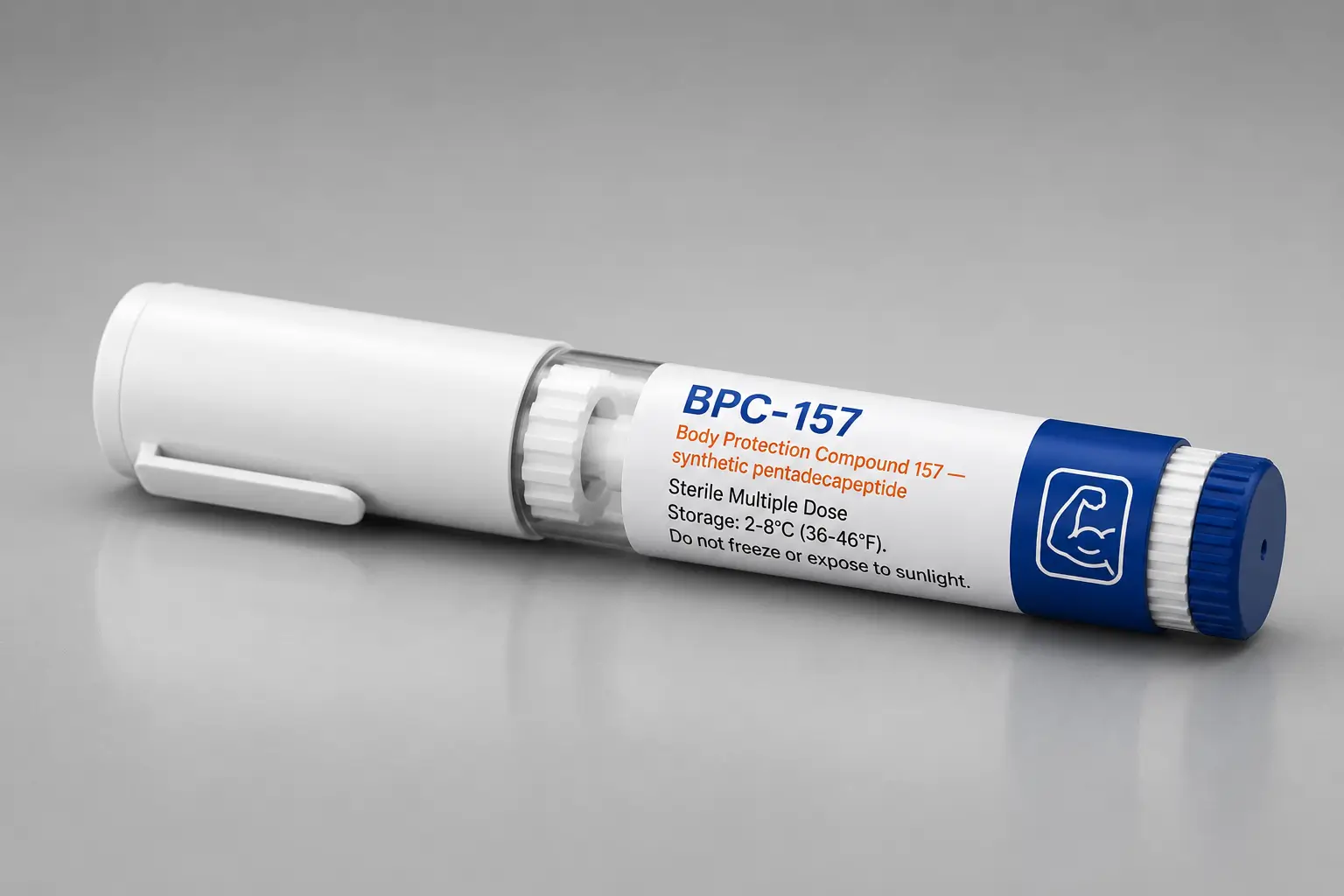
BPC-157

Body Protection Compound 157 — synthetic pentadecapeptide

Derived from a protein found in gastric juice, studied primarily for its regenerative effects on tendons, ligaments, muscle, and the gastrointestinal tract. It upregulates growth hormone receptors in tendon fibroblasts, promotes angiogenesis, and modulates nitric oxide synthesis.

Mechanism
Tendon repair, angiogenesis, GH receptor sensitisation
Target
Tendons, ligaments, gut, muscle
Evidence
Preclinical — tendon transection, muscle crush, bone fracture models
Read More

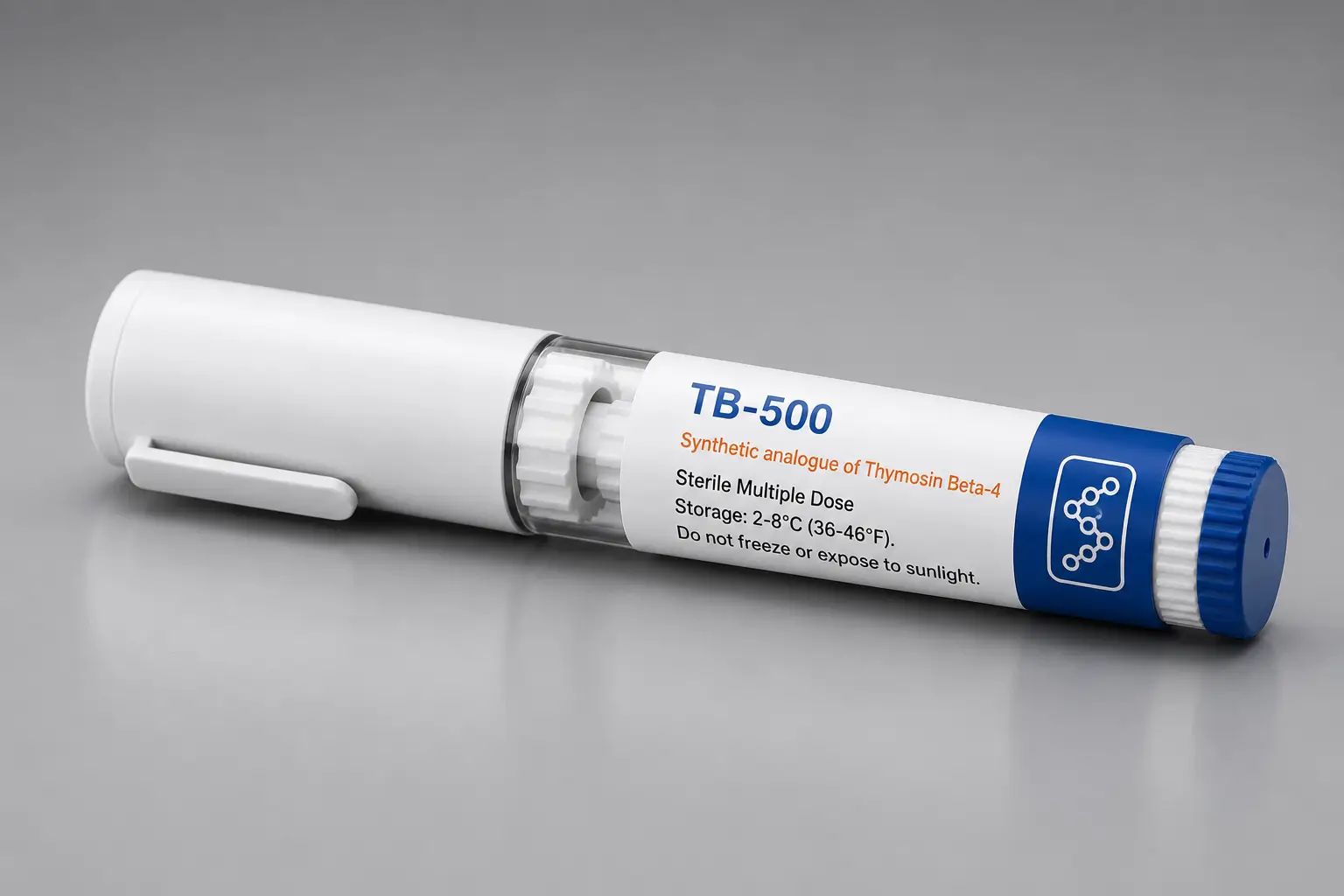
TB-500

Synthetic analogue of Thymosin Beta-4

A naturally occurring peptide found in virtually all human cells. It promotes actin polymerisation, accelerating the migration of repair cells to sites of injury. Its systemic nature — travelling through the bloodstream rather than acting locally — distinguishes it from site-specific peptides.

Mechanism
Systemic cell migration, actin regulation
Target
Connective tissue, cardiac, systemic
Evidence
Preclinical — wound healing, muscle fibre & connective tissue repair
Read More

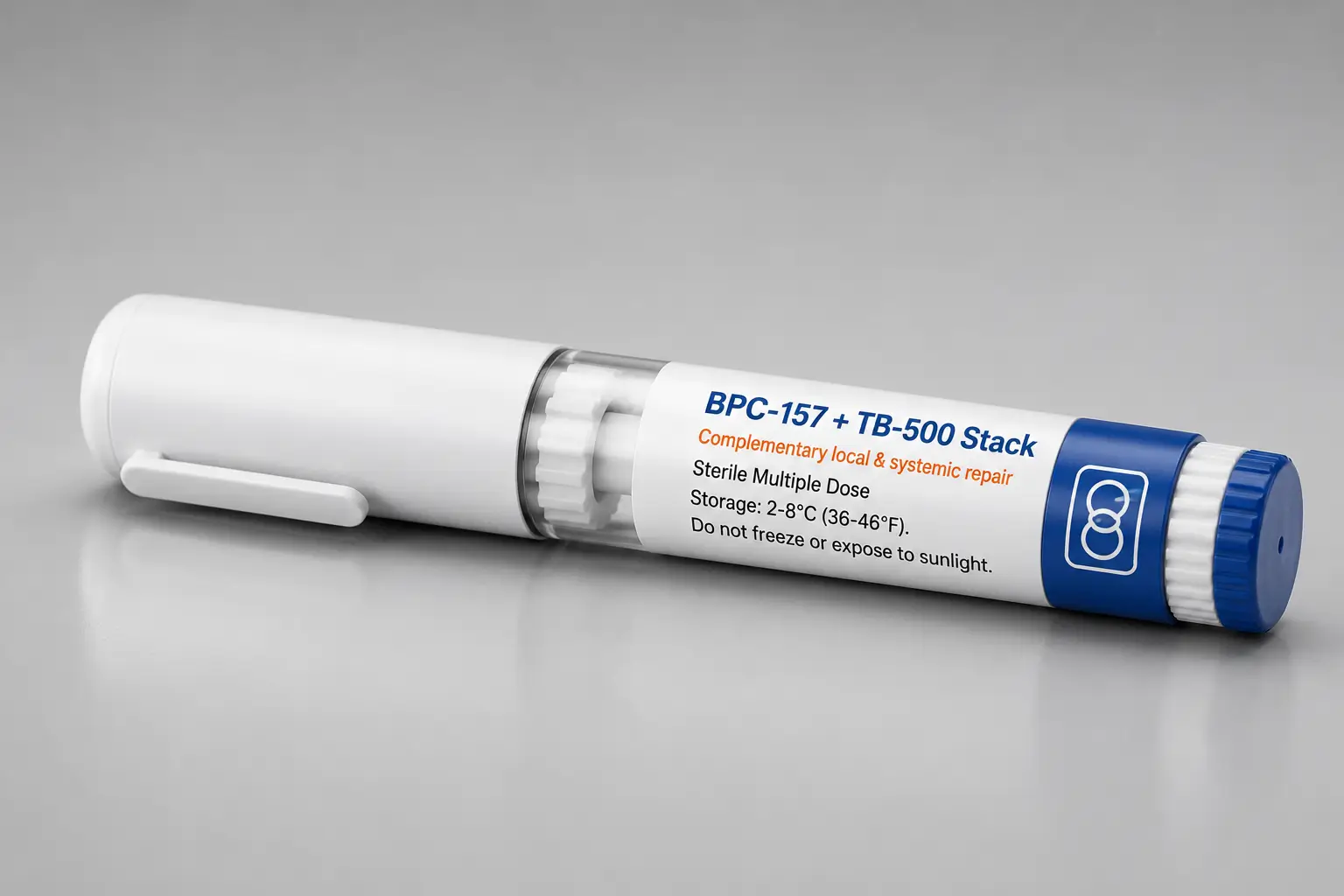
BPC-157 + TB-500 Stack

Complementary local & systemic repair

Combined because their mechanisms are complementary. BPC-157 provides targeted, site-specific repair; TB-500 supports the systemic repair environment, mobilising repair cells and reducing broader inflammatory burden. Together they address local regeneration and systemic recovery simultaneously.

Mechanism
Combined local and systemic repair
Target
Combined tissue coverage
Evidence
Preclinical — based on each compound's individual data
Read More

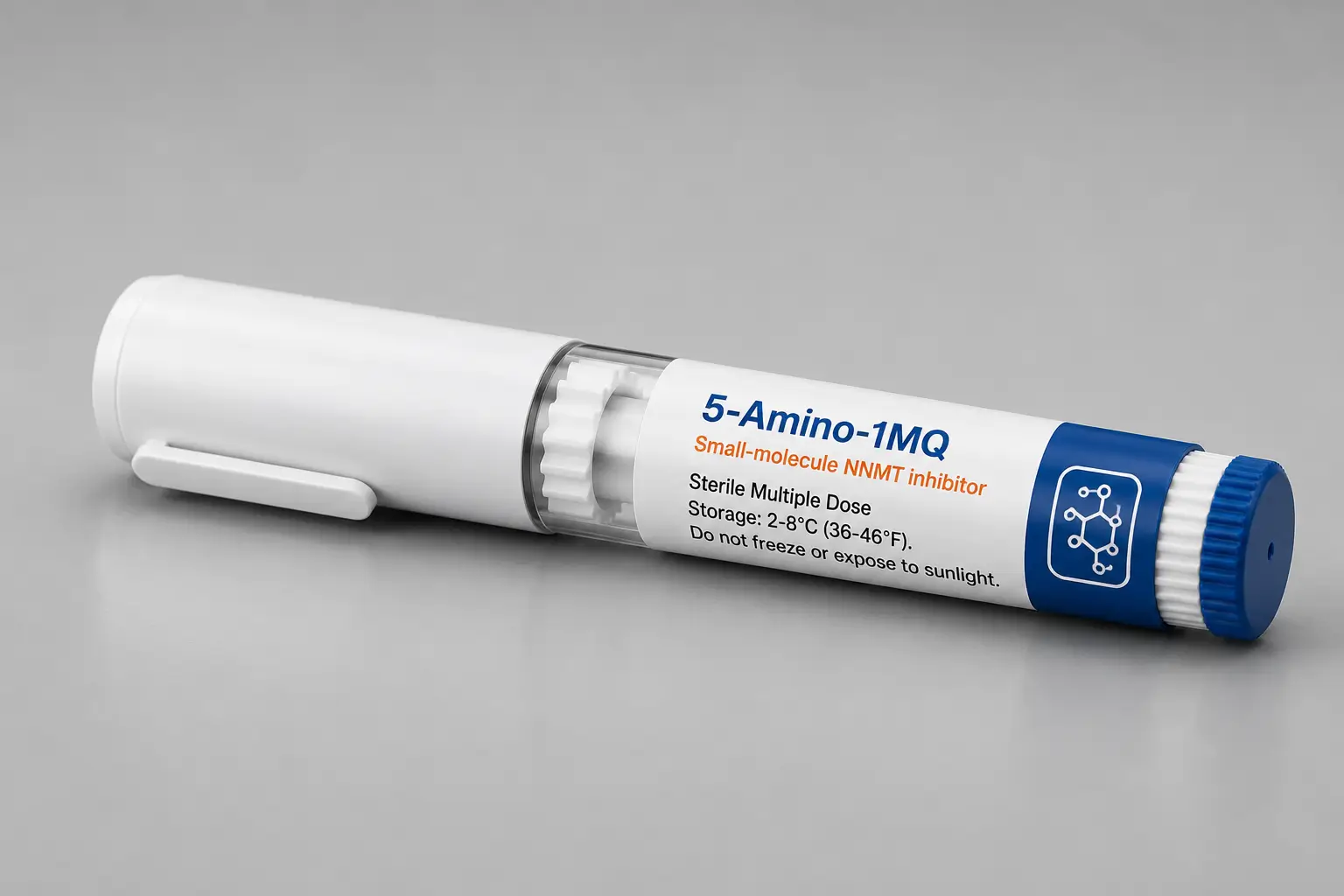
5-Amino-1MQ

Small-molecule NNMT inhibitor

Inhibits nicotinamide N-methyltransferase (NNMT), an enzyme in fat tissue that regulates metabolic rate. By inhibiting NNMT, it raises intracellular NAD+ levels — supporting mitochondrial efficiency, fat metabolism, and lean body composition without the appetite suppression of GLP-1 agonists.

Mechanism
NNMT inhibition, NAD+ upregulation
Target
Adipose tissue, muscle metabolism
Evidence
Preclinical — body recomposition & metabolic models
Read More
Side By Side

The four compounds,
compared.

Mechanism, target tissue, administration, and regulatory status — at a glance.
Compound BPC-157KLIK-157 TB-500KLIK500 BPC-157 + TB-500WOLVERINE-KLIK 5-Amino-1MQKIL1MQ
Primary mechanism Tendon repair, angiogenesis Systemic cell migration, actin regulation Combined local & systemic repair NNMT inhibition, NAD+ upregulation
Target tissue Tendons, ligaments, gut, muscle Connective tissue, cardiac, systemic Combined coverage Adipose tissue, muscle metabolism
Administration Injection Injection Injection Oral
Human trials No No No No
Available as KLIK-157 10mg KLIK500 5mg WOLVERINE-KLIK 20mg+20mg KIL1MQ
BPC-157 KLIK-157
Primary mechanism
Tendon repair, angiogenesis
Target tissue
Tendons, ligaments, gut, muscle
Administration
Injection
Human trials
No
Available as
KLIK-157 10mg
TB-500 KLIK500
Primary mechanism
Systemic cell migration, actin regulation
Target tissue
Connective tissue, cardiac, systemic
Administration
Injection
Human trials
No
Available as
KLIK500 5mg
BPC-157 + TB-500 WOLVERINE-KLIK
Primary mechanism
Combined local & systemic repair
Target tissue
Combined coverage
Administration
Injection
Human trials
No
Available as
WOLVERINE-KLIK 20mg+20mg
5-Amino-1MQ KIL1MQ
Primary mechanism
NNMT inhibition, NAD+ upregulation
Target tissue
Adipose tissue, muscle metabolism
Administration
Oral
Human trials
No
Available as
KIL1MQ

None of the compounds in this category are MHRA-licensed medicines or have completed human clinical trials. All evidence referenced is preclinical. BPC-157 and TB-500 are on the WADA Prohibited List and banned in competitive sport.

Mechanism

How do recovery
peptides work?

The body's repair process follows three phases — inflammation, proliferation, and remodelling. Recovery peptides intervene at specific points in this sequence to accelerate healing.
PHASE 01

Inflammation

The immediate response to injury. Peptides modulate prostaglandin, nitric oxide, and cytokine activity to reduce the inflammatory burden that delays recovery.

PHASE 02

Proliferation

Repair cells migrate to the damage site and new tissue forms. TB-500 mobilises fibroblasts and endothelial cells; BPC-157 drives new capillary growth.

PHASE 03

Remodelling

New tissue matures and strengthens. GH receptor sensitisation and NAD+ activation support collagen organisation and mitochondrial function.

Angiogenesis

BPC-157 promotes new capillary formation at injury sites via VEGF upregulation — improving oxygen and nutrient delivery to damaged tissue.

Cellular migration

TB-500 facilitates rapid movement of fibroblasts, endothelial cells, and myoblasts to sites of damage by modulating actin polymerisation.

GH receptor sensitisation

BPC-157 increases growth hormone receptor expression in tendon fibroblasts, making them more responsive to the body's own repair signalling.

NAD+ pathway activation

5-Amino-1MQ restores NAD+ levels by inhibiting NNMT — supporting mitochondrial efficiency and the sirtuin pathways involved in muscle maintenance.

Broad-spectrum effect

Anti-inflammatory modulation

BPC-157 acts on the prostaglandin and nitric oxide systems, while TB-500 reduces pro-inflammatory cytokine activity. Together they provide broad-spectrum reduction of the inflammatory burden that delays recovery.

The Evidence

What the research
shows.

The evidence base for recovery peptides is preclinical — built on animal models and laboratory study. Here are the key published findings behind each compound.
BPC-157

Tendon healing

Multiple studies demonstrate accelerated collagen organisation and improved tensile strength in Achilles tendon models, with consistently faster functional recovery versus controls.

Pevec D et al. (2010). Impact of pentadecapeptide BPC 157 on muscle healing impaired by systemic corticosteroid application. Medical Science Monitor.

BPC-157

Systemic repair

Consistent healing activity across gastric ulcer, intestinal anastomosis, and inflammatory bowel injury models — extending its repair signature beyond musculoskeletal tissue.

Sikiric P et al. (2018). Stable Gastric Pentadecapeptide BPC 157: Novel Therapy in Gastrointestinal Tract. Current Pharmaceutical Design.

TB-500

Cardiac tissue repair

Thymosin Beta-4 activated dormant cardiac progenitor cells and improved cardiac function following myocardial injury in animal models.

Bock-Marquette I et al. (2004). Thymosin beta4 activates integrin-linked kinase and promotes cardiac cell migration, survival and cardiac repair. Nature.

TB-500

Wound healing

Thymosin Beta-4 promoted dermal repair, reduced inflammation, and stimulated angiogenesis across multiple wound healing models.

Philp D et al. (2004). Thymosin beta4 promotes angiogenesis, wound healing, and hair follicle development. Mechanisms of Ageing and Development.

5-Amino-1MQ

NNMT inhibition

NNMT inhibitors reduced adipocyte size, prevented new fat cell differentiation, and increased intracellular NAD+ and SAM levels in animal models.

Kraus D et al. (2014). Nicotinamide N-methyltransferase knockdown protects against diet-induced obesity. Nature.

Evidence Status

Every finding on this page is drawn from preclinical research — animal models and laboratory study. None of these compounds has completed human clinical trials.

Frequently Asked

The questions we hear most.

Straight, evidence-graded answers on efficacy, legality, and safety — without the hype or the small print.

Explore All Peptides
BPC-157 and TB-500 have both demonstrated accelerated tissue repair and reduced inflammation in preclinical research. Neither has completed human clinical trials, so conclusions in humans are based on animal data and emerging clinical observations.
BPC-157, TB-500, and 5-Amino-1MQ are not MHRA-licensed medicines. Under the Human Medicines Regulations 2012, supplying unlicensed products for human use without authorisation is prohibited. TB-500 and BPC-157 are also on the WADA prohibited list and banned in competitive sport.
BPC-157 is the most studied compound for tendon and musculoskeletal repair. TB-500 is more effective for systemic, widespread tissue damage. The WOLVERINE-KLIK stack combines both mechanisms and represents the most comprehensive option based on available preclinical evidence.
BPC-157 and TB-500 are commonly combined due to complementary mechanisms. 5-Amino-1MQ targets a separate metabolic pathway and may support body recomposition alongside a recovery protocol rather than directly enhancing tissue repair.
Human safety data is limited for all compounds in this category. Preclinical studies have not identified significant toxicity at research doses, but long-term effects in humans are not established. Clinical supervision is essential before use.
Keep Exploring

Explore related
categories.

Strength & recovery is one of several peptide research areas we cover — each with its own evidence base and regulatory context.
Cellular Repair & Longevity

Cellular Repair & Longevity

Mitochondrial function, healthy ageing, cellular resilience, and longevity-focused compounds.

Epithalon SS-31 Ageing
Strength & Recovery

Strength & Recovery

Tissue repair, recovery peptides, growth factors, and performance-related research.

BPC-157 TB-500 Repair
Weight Management

Weight Management

GLP-1 medicines, dual agonists, triple agonists, metabolic optimisation and obesity research.

GLP-1 Dual-Agonist Metabolic