
Weight Management · UK Clinical Guide

Peptides for weight management.

Weight loss peptides have moved from research laboratories into mainstream clinical practice. This guide covers the four most studied compounds, how they work, what clinical trials found, and what UK residents need to know.

For educational purposes only. Always consult a GMC-registered clinician before considering any peptide therapy.

The Basics

What are peptides for weight loss?

Naturally occurring signalling molecules — or engineered analogues of them — that regulate hunger, metabolism, and fat storage.

GLP-1 class injectable peptide

Peptides are short chains of amino acids that your body produces naturally. Many play direct roles in regulating hunger, metabolism, insulin secretion, and fat storage. Weight management peptides either replicate these naturally occurring molecules or are engineered analogues designed to amplify their effects.

The four compounds with the strongest clinical evidence are Semaglutide, Liraglutide, Tirzepatide, and Retatrutide.

Three are already approved by the MHRA and available on prescription in the UK. The fourth — retatrutide — represents the leading edge of the science, with Phase 2 results that exceeded everything before it. The sections below break down each compound, the trial evidence behind it, and exactly how it acts on the body.

The Compounds

Weight loss peptides
in the UK.

Four compounds dominate the clinical evidence base — from the daily injection that started it all to the triple agonist still in trials.
MHRA Approved & prescribable In clinical trials — not yet authorised

Semaglutide

MHRA Approved

Brand: Wegovy · Class: GLP-1 receptor agonist · Weekly injection

Originally developed for type 2 diabetes and later approved at higher doses for weight management. It mimics the gut-released GLP-1 hormone — slowing gastric emptying, suppressing glucagon, and acting on appetite centres in the hypothalamus to reduce hunger. At the 2.4 mg weekly dose, it is one of the most thoroughly studied anti-obesity agents in pharmaceutical history.

Average Weight Loss

~15–17% of body weight over 68 weeks (STEP programme).

UK
MHRA-approved for adults with BMI 30+ (or 27+ with comorbidities). Available on the NHS under NICE guidance TA875.


Liraglutide

MHRA Approved

Brand: Saxenda · Class: GLP-1 receptor agonist · Daily injection

An earlier-generation GLP-1 agonist administered via daily subcutaneous injection at 3 mg. It shares the same core mechanism as semaglutide but requires daily rather than weekly dosing due to its shorter half-life. It was the first GLP-1 analogue approved specifically for obesity, establishing the clinical foundation later agents built upon.

Average Weight Loss

~8–9% of body weight over 56 weeks (SCALE programme).

UK
MHRA-approved for obesity management. NHS availability is limited compared with newer agents.

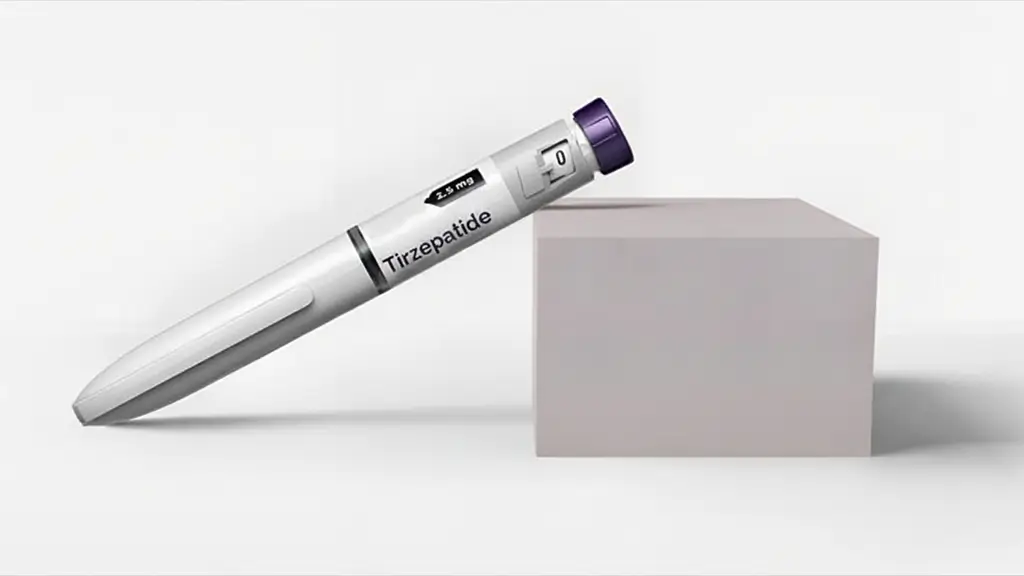
Tirzepatide

MHRA Approved

Brand: Mounjaro · Class: GLP-1 + GIP dual agonist · Weekly injection

A dual agonist targeting both GLP-1 and GIP receptors simultaneously. GIP is an incretin hormone involved in energy homeostasis and fat metabolism. GLP-1 agonism suppresses appetite and slows gastric emptying, while GIP agonism improves insulin sensitivity and influences adipose tissue function. The clinical outcome is weight loss that exceeded semaglutide in direct trial comparisons.

Average Weight Loss

~20–22% of body weight over 72 weeks (SURMOUNT programme).

UK
MHRA-approved for weight management. Available on the NHS under NICE guidance TA1026.

Retatrutide

Phase 3 Trial

Brand: None · Class: GLP-1 + GIP + Glucagon triple agonist

A next-generation triple receptor agonist targeting GLP-1, GIP, and glucagon receptors simultaneously. The addition of glucagon receptor agonism increases energy expenditure and promotes fat breakdown — a third metabolic lever absent in dual agonists. Patients can lose up to 20% or more of their body weight over a continuous treatment period of about 72 weeks.

Average Weight Loss

~24% of body weight at 48 weeks (Phase 2) — the highest ever recorded.

UK
Not MHRA-approved. Available only within ongoing clinical trials. Phase 3 programme in progress.
Side By Side

The four compounds,
compared.

Receptor targets, dosing, UK regulatory status, and average trial outcomes — at a glance.
Compound SemaglutideWegovy LiraglutideSaxenda TirzepatideMounjaro RetatrutideTrial only
Receptor targets GLP-1 GLP-1 GLP-1 + GIP GLP-1 + GIP + Glucagon
Administration Weekly injection Daily injection Weekly injection Weekly injection (trial)
MHRA approved Yes Yes Yes No
NICE guidance TA875 Limited TA1026
Avg. weight loss ~15–17% ~8–9% ~20–22% ~24%
Trial programme STEP SCALE SURMOUNT Phase 2 (NEJM 2023)
Semaglutide Wegovy
Receptor targets
GLP-1
Administration
Weekly injection
MHRA approved
Yes
NICE guidance
TA875
Avg. weight loss
~15–17%
Trial programme
STEP
Liraglutide Saxenda
Receptor targets
GLP-1
Administration
Daily injection
MHRA approved
Yes
NICE guidance
Limited
Avg. weight loss
~8–9%
Trial programme
SCALE
Tirzepatide Mounjaro
Receptor targets
GLP-1 + GIP
Administration
Weekly injection
MHRA approved
Yes
NICE guidance
TA1026
Avg. weight loss
~20–22%
Trial programme
SURMOUNT
Retatrutide Trial only
Receptor targets
GLP-1 + GIP + Glucagon
Administration
Weekly injection (trial)
MHRA approved
No
NICE guidance
Avg. weight loss
~24%
Trial programme
Phase 2 (NEJM 2023)

Retatrutide figures are from Phase 2 trial data and are not yet supported by completed Phase 3 evidence. All percentages are mean trial averages; individual results vary with dose, duration, and clinical context.

Mechanism

How do weight loss
peptides work?

When you eat, specialised gut cells release incretin hormones including GLP-1 and GIP — signalling the pancreas, slowing digestion, and activating satiety pathways. In obesity this system is often dysregulated. These peptides pharmacologically amplify those natural signals.

Hypothalamic appetite suppression

GLP-1 agonists bind to receptors in the arcuate nucleus, reducing appetite-stimulating neuropeptides and increasing satiety signals. Patients report reduced hunger rather than willpower-driven restriction.

Delayed gastric emptying

Food leaves the stomach more slowly, extending the physical sensation of fullness and reducing post-meal glucose spikes.

Glucose-dependent insulin release

Insulin is stimulated only when blood glucose is elevated, improving metabolic efficiency without causing hypoglycaemia in non-diabetic individuals.

Dopaminergic reward modulation

Neuroimaging in semaglutide research suggests GLP-1 agonism also modulates food reward circuits — reducing cravings for energy-dense foods beyond simple hunger suppression.

Retatrutide's third lever

Increased energy expenditure

Glucagon receptor activation raises basal energy expenditure and enhances lipolysis — the breakdown of stored fat into free fatty acids. This is the mechanism behind retatrutide's superior Phase 2 results, and the metabolic lever that dual agonists don't pull.

The Evidence

What the clinical
trials found.

Every figure on this page traces back to a large, peer-reviewed randomised controlled trial. Here are the studies that built the evidence base.
STEP 42021
Withdrawal design · 48 weeks
+6.9%
regained after switching to placebo

Those continuing lost a further 7.9%; confirming weight regain on discontinuation is clinically significant.

Rubino et al. (2021), JAMA

Foundational

Liraglutide was the first GLP-1 analogue approved specifically for obesity — the trial foundation every later agent built upon.

SURMOUNT-42023
36-week lead-in · 52 weeks
+14%
regained after switching to placebo

Those continuing lost a further 5.5% — confirming these are chronic medications requiring ongoing use.

Aronne et al. (2023), JAMA

Class-leading

Tirzepatide produced the greatest average weight loss of any MHRA-approved option, exceeding semaglutide in direct comparison.

24.2%
mean weight loss at 12 mg · 48 weeks
Phase 2 Trial2023

338 adults across four dose cohorts over 48 weeks. The highest figure recorded in any pharmacological obesity trial — and weight loss had not plateaued by week 48, suggesting greater reductions with longer treatment. Phase 3 trials are ongoing.

Jastreboff et al. (2023), New England Journal of Medicine

Leading edge

The triple agonist adds glucagon receptor activation — raising energy expenditure on top of appetite suppression.

Frequently Asked

The questions we hear most.

Straight, evidence-graded answers on efficacy, legality, and safety — without the hype or the small print.

Explore All Peptides
Yes. Semaglutide, liraglutide, and tirzepatide have all demonstrated significant, sustained weight loss in large-scale randomised controlled trials. Average reductions range from 8% of body weight with liraglutide to over 22% with tirzepatide. Results are best maintained with ongoing treatment and behavioural support.
Semaglutide, liraglutide, and tirzepatide are prescription-only medicines under the Human Medicines Regulations 2012. They can only be legally supplied with a valid prescription from a GMC-registered doctor. Buying peptides from unregulated online sources is both illegal and unsafe — the MHRA regularly publishes warnings about unlicensed peptide products.
Based on current clinical evidence, tirzepatide (Mounjaro) produces the greatest average weight loss of the MHRA-approved options, at approximately 22% of body weight. Semaglutide (Wegovy) follows at around 15–17%. The most appropriate option depends on medical history, tolerability, eligibility criteria, and clinical assessment by a qualified doctor.
The most common side effects are gastrointestinal: nausea, vomiting, diarrhoea, and abdominal discomfort, typically during dose escalation. More serious but less common risks include pancreatitis, gallbladder disease, and lean muscle mass loss. All approved agents carry a class contraindication for patients with a history of medullary thyroid carcinoma or MEN2. Weight regain following discontinuation is well-documented across all compounds.
For regulated options, licensed GLP-1 peptides like semaglutide (Wegovy) and tirzepatide (Mounjaro) can be bought from regulated online pharmacies such as ZAVA, Asda Online Doctor, and PPRX — all requiring a prescription and medical consultation. For unregulated compounds like retatrutide, compound versions are being sold in the grey market as "research chemicals." Want to go deeper on sourcing, dosing, or specific compounds? Join our community on Discord to discuss further.
Keep Exploring

Explore related
categories.

Weight management is one of several peptide research areas we cover — each with its own evidence base and regulatory context.
Cellular Repair & Longevity

Cellular Repair & Longevity

Mitochondrial function, healthy ageing, cellular resilience, and longevity-focused compounds.

Epithalon SS-31 Ageing
Strength & Recovery

Strength & Recovery

Tissue repair, recovery peptides, growth factors, and performance-related research.

BPC-157 TB-500 Repair
Weight Management

Weight Management

GLP-1 medicines, dual agonists, triple agonists, metabolic optimisation and obesity research.

GLP-1 Dual-Agonist Metabolic